Why Japanese Tools Feel Different — and Why That Difference Matters
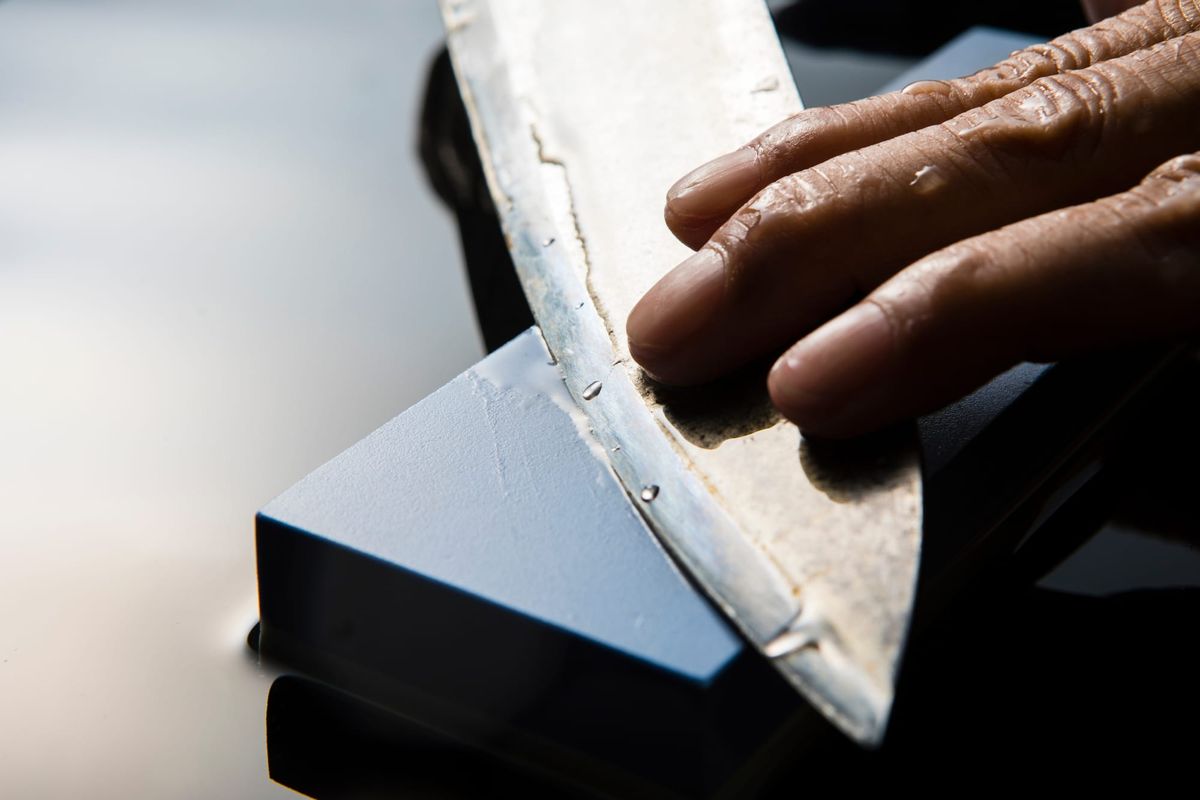
There is a moment many people have when they first use a well-made Japanese tool.
It is not always dramatic. Sometimes it is just a quiet feeling — that the tool responds a little more honestly, cuts a little more cleanly, or sits in the hand with a kind of natural balance that is hard to explain.
For people outside Japan, Japanese tools are often introduced through sharpness, precision, or craftsmanship. Those things are certainly true. But what makes them memorable is not only performance. It is the philosophy behind them.
Tools designed to be used, not just owned
Many traditional Japanese tools were developed in close relationship with actual work: pruning, woodworking, gardening, carving, sharpening, repairing. They were not originally designed as luxury objects. They were made to function well in the rhythm of daily practice.
That matters.
Because when a tool is shaped by repeated real use, small details begin to carry meaning: the angle of a blade, the hardness of the steel, the profile of a handle, the way the tool can be maintained over time instead of simply replaced.
This is one reason Japanese tools often feel different. They are not only made to perform once. They are made to keep performing through care.
The idea that maintenance is part of ownership
In many modern buying habits, convenience is everything. When something becomes dull, worn, or damaged, it is replaced.
Traditional Japanese tools come from a different relationship with objects.
A blade is sharpened. A handle is re-fitted. A tool is cleaned, adjusted, and kept in use.
This does not mean every old tool is automatically better. It means the object is often designed with the expectation that the user will participate in its life.
That relationship changes the experience of ownership. You do not simply consume the tool. You learn it.
Over time, the tool becomes more than a product. It becomes part of your method, your hand, your habits.
Sharpness is only part of the story
People often focus on sharpness first, and understandably so. Japanese blades, scissors, shears, chisels, and knives are well known for it.
But sharpness alone is not the full appeal.
A very sharp tool that is difficult to control can be tiring. A beautifully finished tool that does not suit the work can be disappointing.
The deeper appeal is often the balance between edge, control, and purpose.
A good pruning shear should feel decisive but not harsh. A good chisel should cut cleanly but also communicate resistance through the hand. A good sharpening stone should not only polish steel — it should help the user understand the edge.
This is where many Japanese tools earn long-term trust. They often make the process feel more legible.
Why material still matters
Another reason these tools feel distinctive is the continued importance of material.
In an age of mass production, many buyers are surprised to discover how much attention is still given to steel type, forging method, grit structure, or handle material. These details are not just technical specifications. They affect how the tool behaves in practice.
That is especially true in categories like:
- pruning shears
- bonsai tools
- woodworking chisels
- hand planes
- whetstones
Even among tools that appear similar at first glance, the actual experience can differ significantly depending on how they are made and what they were made for.
This is one reason it helps to buy from people who understand the tools as tools — not just as inventory.
Tools carry culture quietly
Japanese tools also carry something less measurable.
They reflect a culture in which utility and beauty are not always separated. A good object does not need to be decorative to feel beautiful. Precision, restraint, and proportion can create their own kind of presence.
That quiet quality is part of why many people continue to be drawn to Japanese craft, even when cheaper alternatives are easy to find.
The appeal is not only that the tool works. It is that the tool expresses a way of thinking.
Care over waste. Fit over excess. Longevity over impulse.
These values may sound simple, but they are not common anymore.